Olympic National Park spans nearly one million acres across Washington's Olympic Peninsula, covering three distinct ecosystems - temperate rainforest, alpine wilderness, and a rugged Pacific coastline. Choosing a centrally located hotel here isn't just about comfort; it's a strategic decision that determines how much of the park you can realistically access each day. Gateway towns like Port Angeles, Sequim, and Port Townsend each offer different positioning relative to park entrances, ferry connections, and key attractions.
What It's Like Staying In Olympic National Park
Staying near Olympic National Park means operating within a peninsula geography - there's no direct highway loop around the park, so your base town determines your daily driving routes entirely. Port Angeles is the primary gateway, sitting 3.5 km from the main park entrance and connected to Victoria, B.C. via the Black Ball Ferry. Sequim and Port Townsend are quieter alternatives with fewer crowds but longer drives to alpine trailheads, making them better suited for travelers combining park visits with coastal or wildlife experiences.
Pros:
Direct ferry access from Port Angeles to Victoria, B.C. adds a cross-border excursion option without a car
Around 3.5 km separates central Port Angeles hotels from the Olympic National Park Visitor Center, minimizing morning drive time
Sequim's location near Dungeness National Wildlife Refuge offers a secondary natural attraction alongside the main park
Cons:
No single base covers all three park ecosystems - Hoh Rainforest, Hurricane Ridge, and the coast each require separate drives
Public transportation within and around the park is extremely limited, making a rental car near-mandatory
Peak summer weekends bring heavy traffic on US-101, the only highway circling the peninsula
Why Choose Central Hotels In Olympic National Park
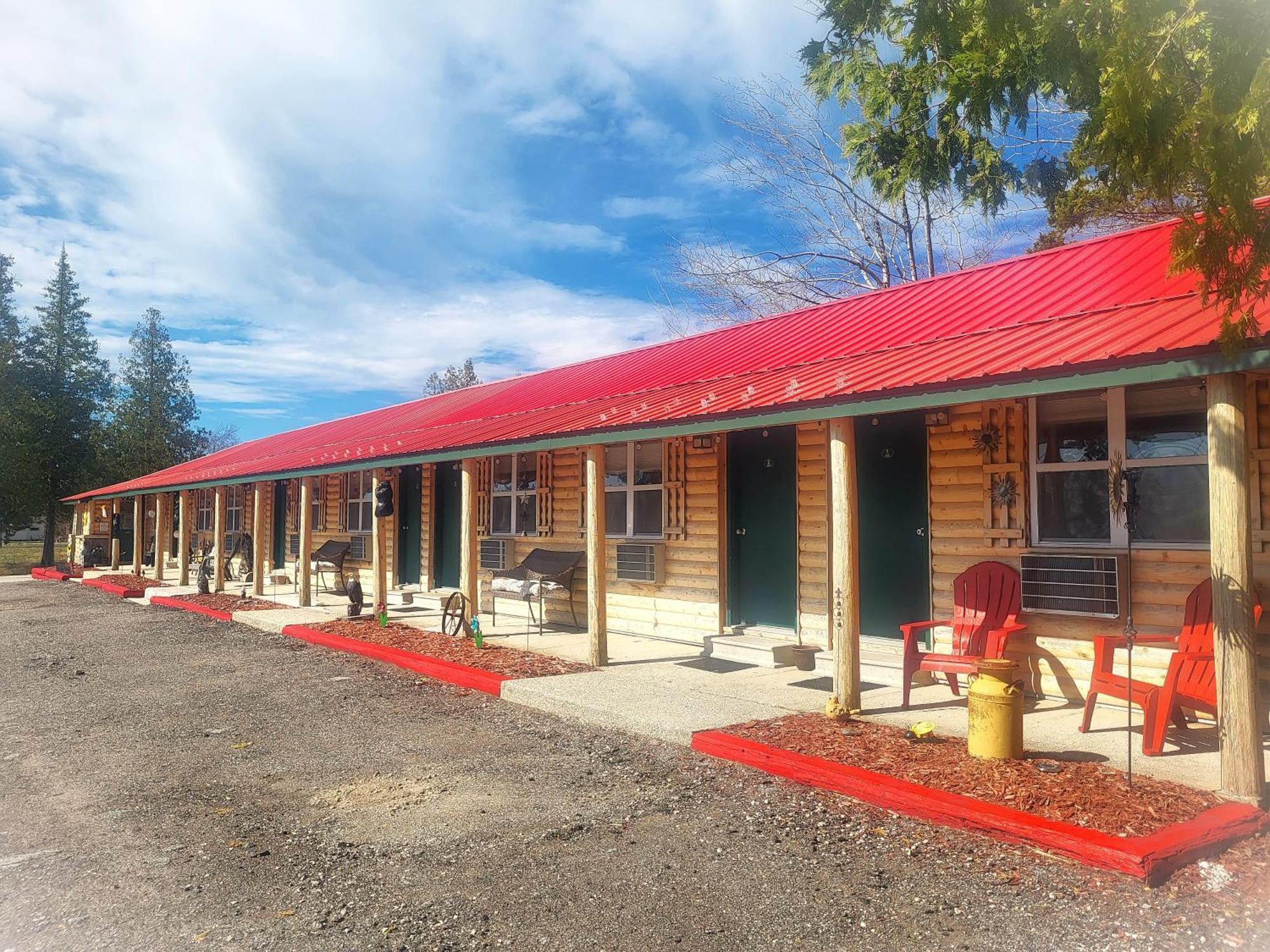
Central hotels in the Olympic Peninsula gateway towns are predominantly motels and small inns rather than resort properties, which keeps nightly rates accessible while placing guests within reach of multiple park entrances. These properties typically offer free parking - a practical necessity given that most visitors arrive by car and need space for gear. Nightly rates at gateway motels run around 40% lower than comparable lodge-style accommodations inside the park boundary, where availability is also significantly more limited and booking windows close months in advance.
Pros:
Free parking is standard across central gateway motels, essential for visitors with bikes, kayaks, or camping gear
In-room amenities like microwaves and mini-fridges reduce dining costs during multi-night stays
24-hour reception availability at select properties accommodates early alpine starts and late ferry arrivals
Cons:
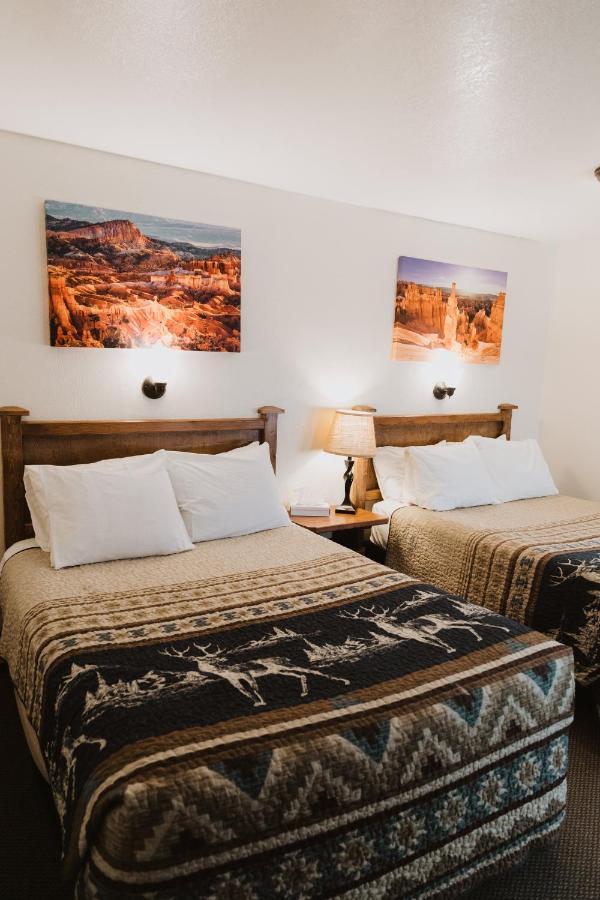
Rooms are functional rather than luxurious - expect motel-grade furnishings, not boutique interiors
Ferry noise and harbor activity can affect sleep quality at Port Angeles waterfront properties
Limited on-site dining means most guests rely on nearby restaurants or self-catering
Practical Booking & Area Strategy
Port Angeles is the most strategically positioned base for Olympic National Park: the Olympic National Park Visitor Center is 2.6 km from central accommodation, Hurricane Ridge Road begins just outside town, and the Black Ball Ferry connects to Victoria, B.C. for day trips. Sequim, located about 25 minutes' drive from the park entrance, suits travelers prioritizing Dungeness Spit, the wildlife refuge, and a quieter overnight atmosphere. Port Townsend sits further east but offers unique appeal - Victorian architecture, cycling trails, and ferry connections to Whidbey Island - making it a logical choice for travelers building a broader Olympic Peninsula itinerary rather than a pure park-focused trip.
Book at least 6 weeks ahead for July and August stays, when gateway town hotels fill quickly due to summer park visitation peaks. Travelers targeting Hurricane Ridge for sunrise views benefit most from Port Angeles accommodations, while those focused on the Hoh Rainforest should factor in the additional 90-minute drive from any gateway town, regardless of base location.
Best Value Stays
These centrally located properties offer practical positioning near park entrances and ferry terminals with competitive nightly rates, free parking, and in-room amenities that support multi-night park itineraries.
-
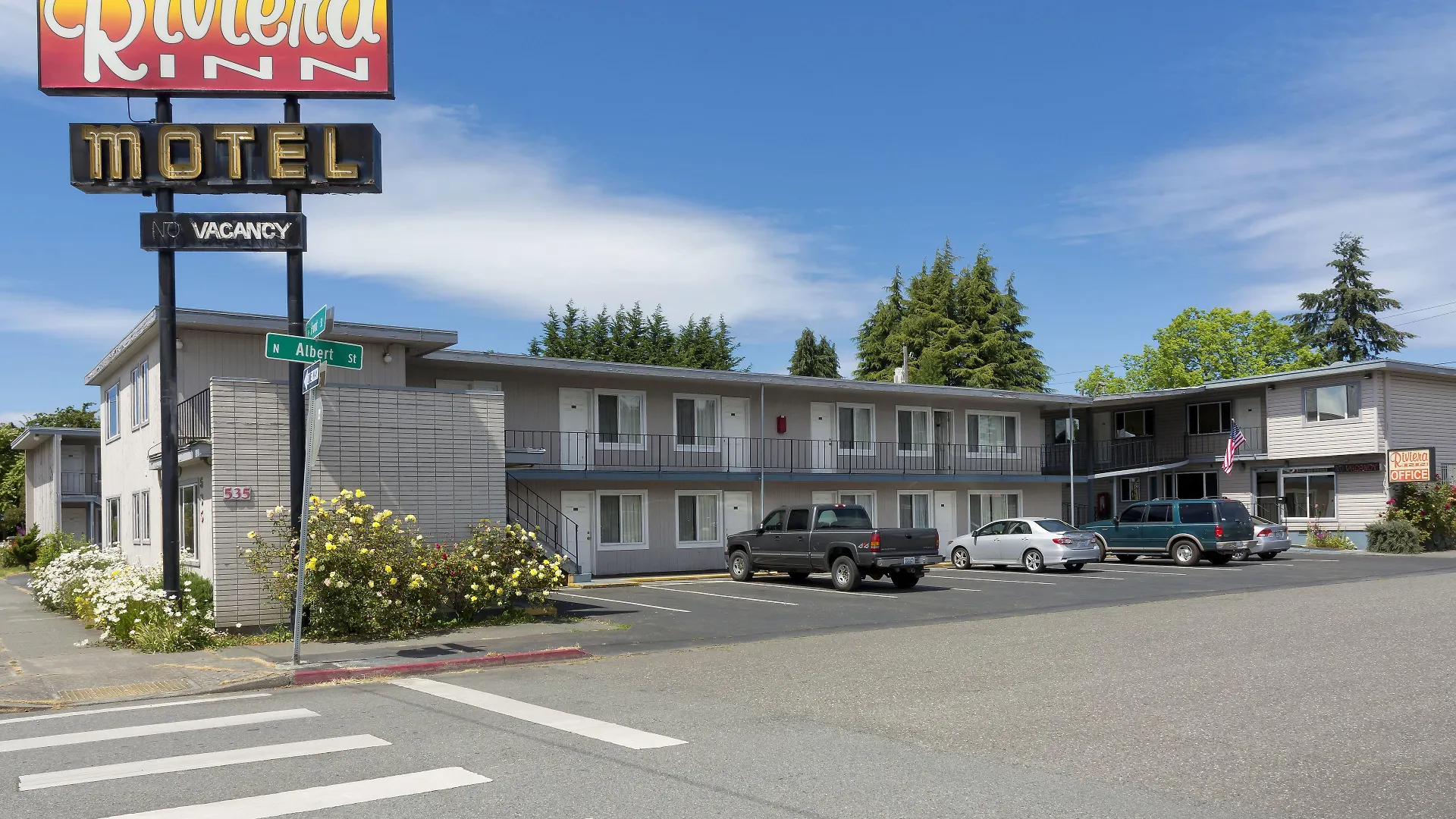
1. Riviera Inn
Show on map


 Check-infrom 15:00 until 22:00Check-outuntil 11:00
Just a few rooms left at the best rate!
fromUS$ 49
-
2. Sequim West Inn
Show on map


 Check-infrom 14:00 until 22:00Check-outfrom 07:00 until 11:00
Just a few rooms left at the best rate!
fromUS$ 49
-
3. Ocean Star Inn
Show on map


 Check-infrom 16:00 until 23:59Check-outfrom 06:00 until 11:00
Hurry – almost gone at this price!
fromUS$ 67
-
4. Port Angeles Inn
Show on map


 Check-infrom 16:00 until 23:59Check-outuntil 11:00
Hurry – almost gone at this price!
fromUS$ 212
Best Premium Option
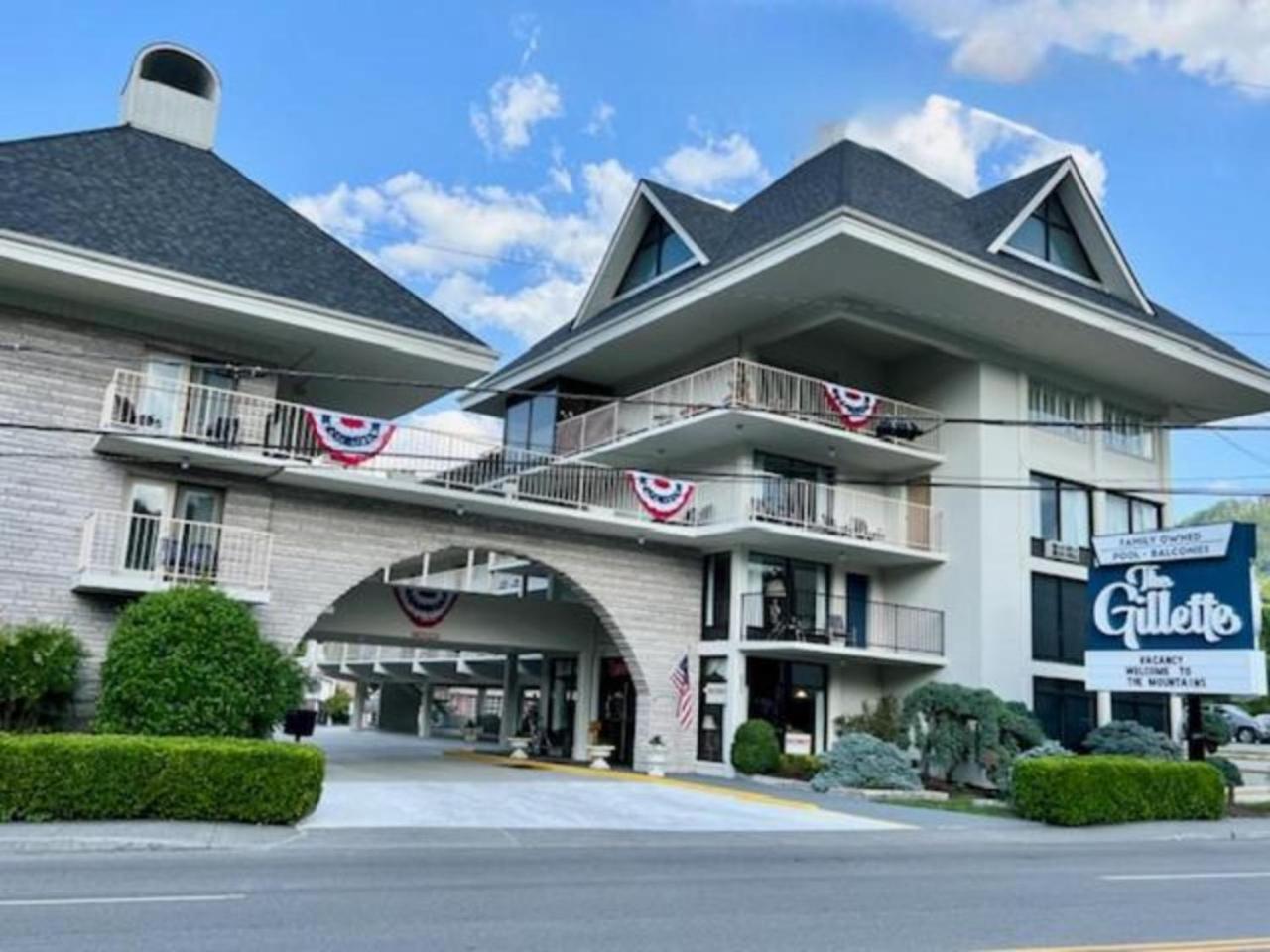
For travelers seeking added amenities and a distinct base town character alongside Olympic Peninsula access, this Port Townsend property offers a step up in facilities and a gateway to a different dimension of the peninsula experience.
-
5. The Swan Hotel
Show on map


 Check-infrom 15:00 until 23:59Check-outfrom 08:00 until 11:00
Rooms filling fast – secure the best rate!
fromUS$ 282
Smart Travel & Timing Advice
Olympic National Park sees its highest visitation between late June and early September, when Hurricane Ridge, the Hoh Rainforest, and Rialto Beach draw heavy crowds. Gateway town hotels in Port Angeles and Sequim can fill up entirely during peak summer weekends, with rates rising noticeably compared to shoulder season. Visiting in late September or October offers a significantly quieter experience - fall foliage appears in the rainforest zones, wildlife activity increases, and hotel availability reopens without the need for far-in-advance bookings.
Spring visits (April to May) provide lush, rain-fed rainforest conditions with fewer visitors, though some higher-elevation roads including Hurricane Ridge may still carry snow closures into May. A stay of around 3 nights based in Port Angeles is the practical minimum to cover the three main park zones - Hurricane Ridge, Lake Crescent, and the Sol Duc area - with day trips. Book at least 8 weeks ahead for any July or August dates at Port Angeles or Sequim properties, as the limited hotel inventory in gateway towns depletes faster than most visitors anticipate.