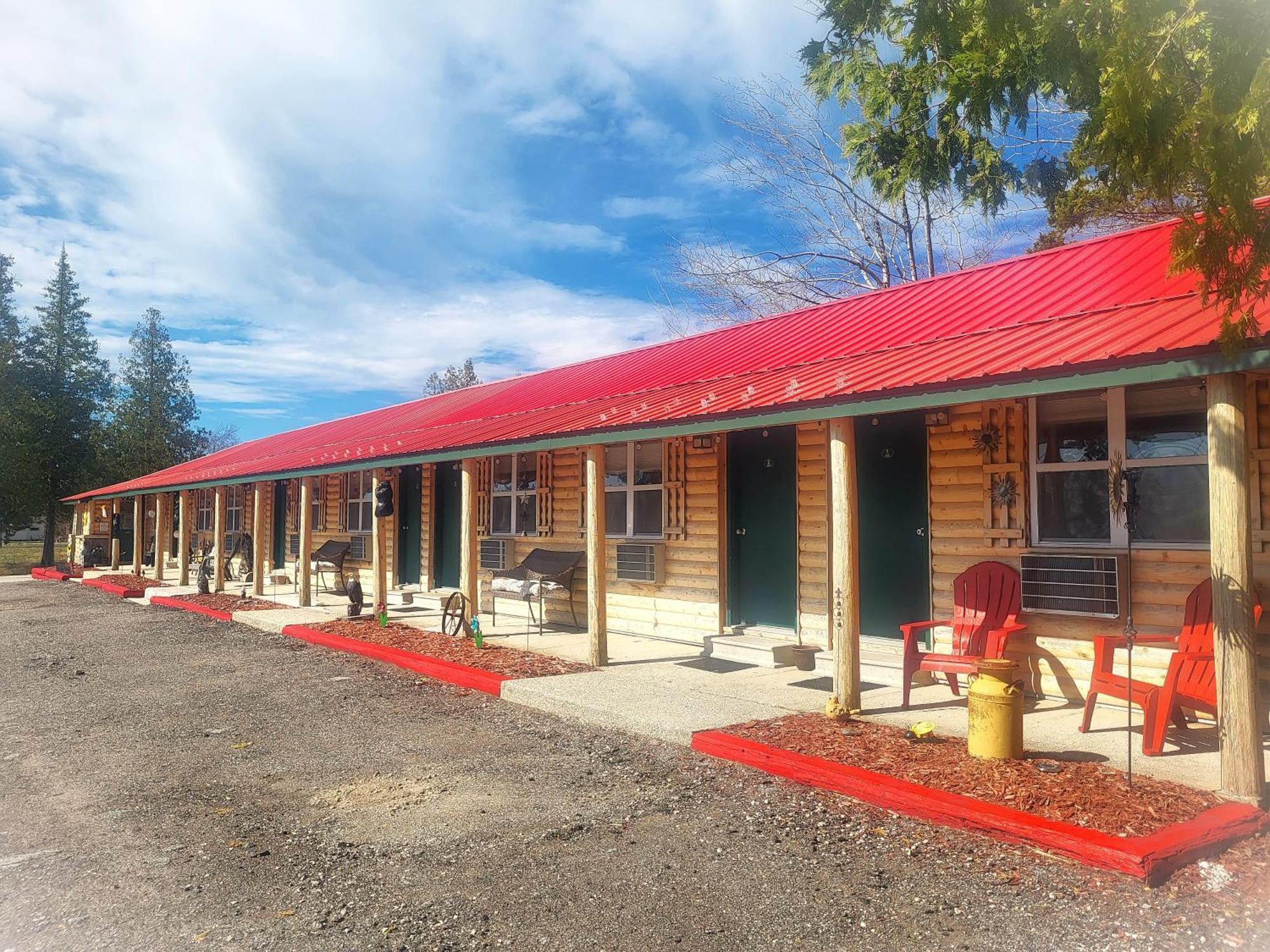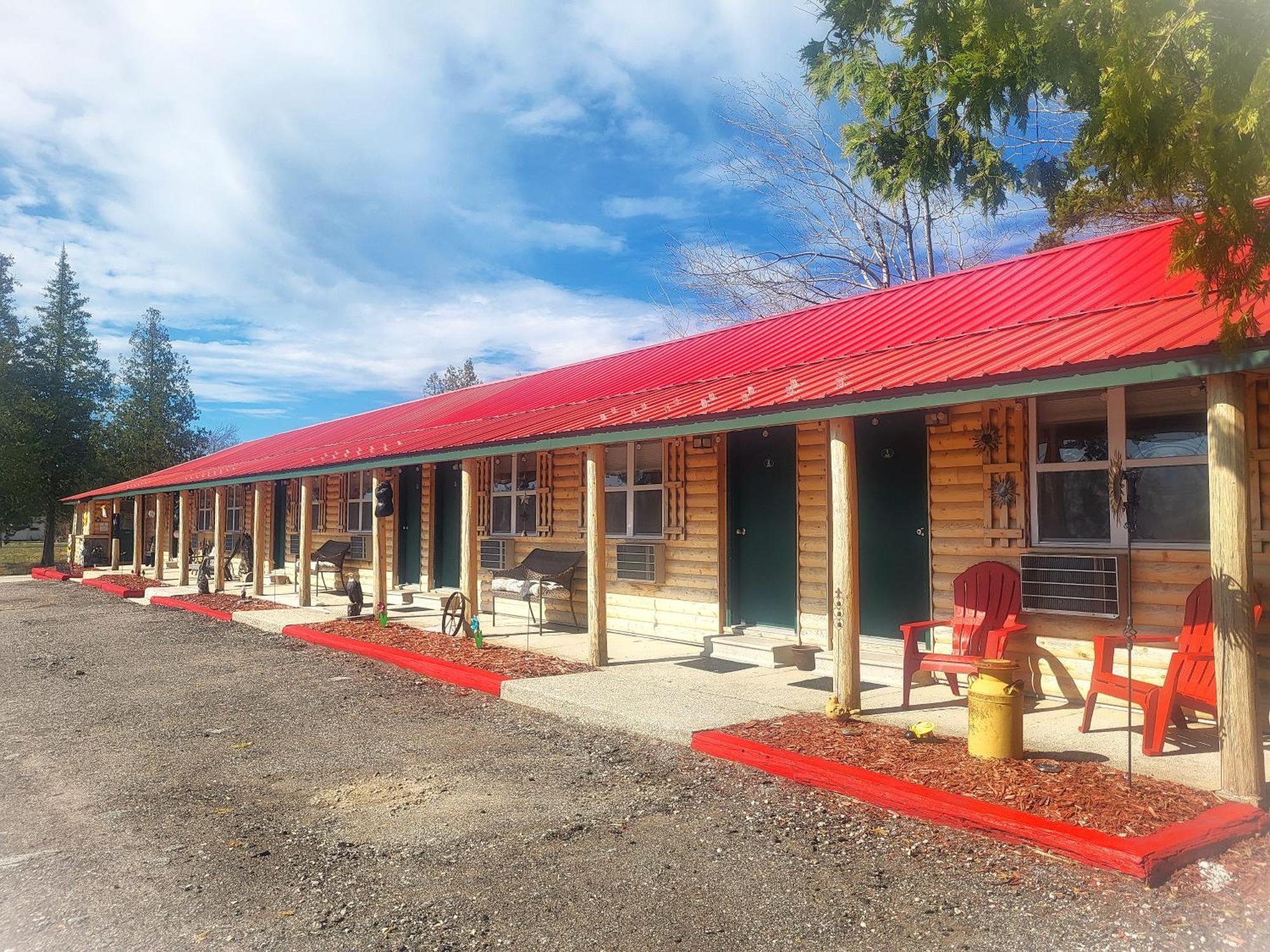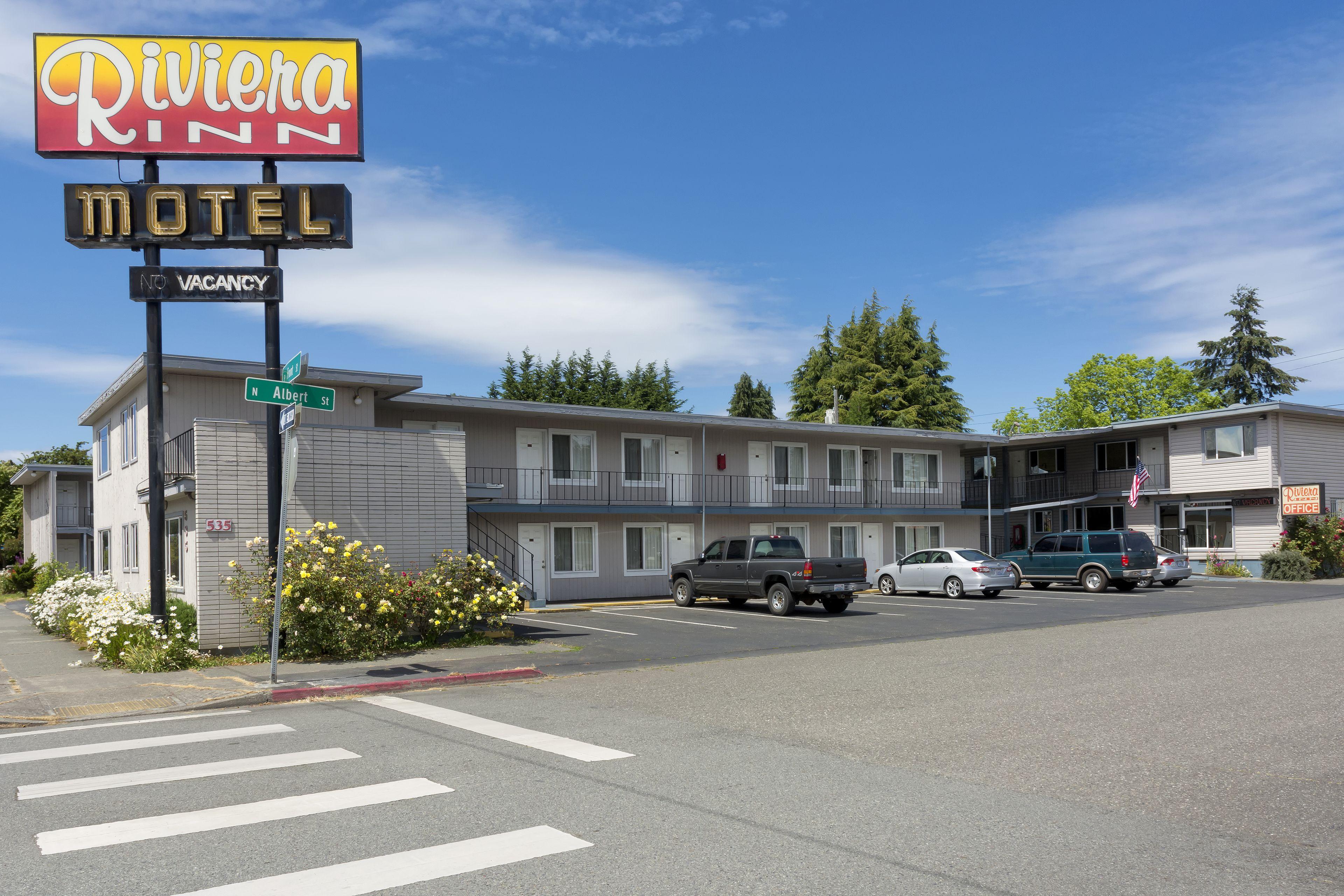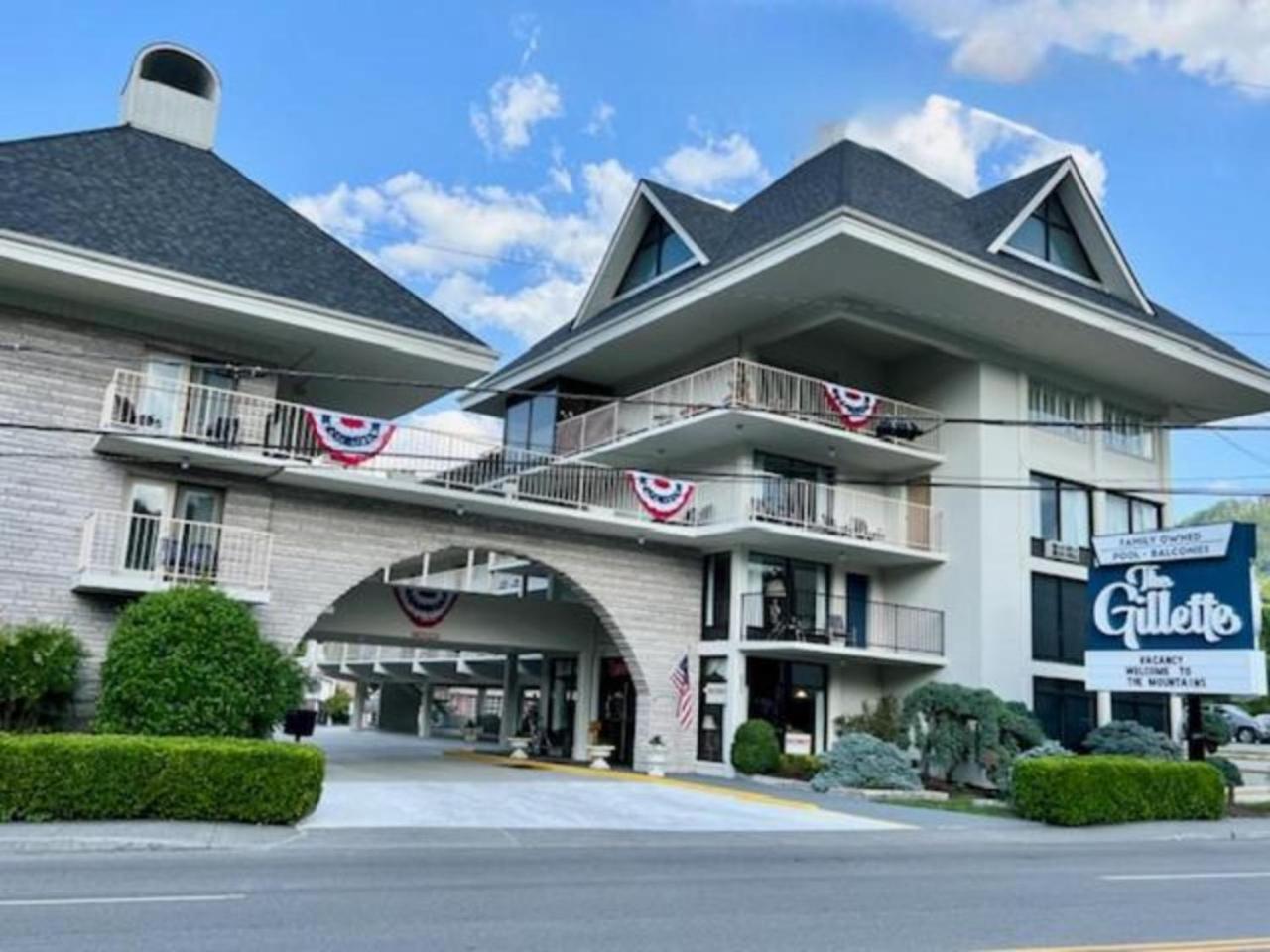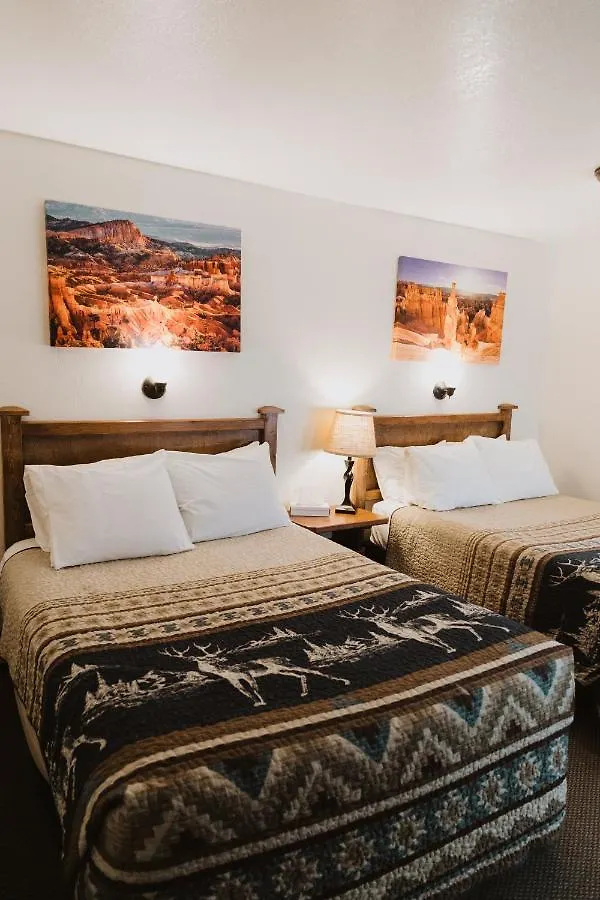
Bryce Canyon National Park sits in a remote corner of southern Utah, surrounded by small gateway towns - Tropic, Hatch, Panguitch, Duck Creek Village, and Kanab - each offering a different balance of proximity, price, and park access. Choosing where to base yourself shapes your entire trip: morning hoodoo light hits early, and being within 30 minutes of the rim means you can beat the crowds to Sunrise Point and Navajo Loop before tour buses arrive. This guide covers 7 centrally located hotels across the Bryce Canyon corridor, with honest assessments of what each property actually delivers for travelers exploring southern Utah's canyon country.
What It's Like Staying Near Bryce Canyon National Park
The Bryce Canyon area is defined by its remoteness - the nearest commercial airport (Cedar City Regional) is around 90 minutes from the park entrance, and there is no public transit connecting gateway towns to the rim. Every hotel option here requires a car, and distances between properties and the park entrance range from 20 to 60 minutes of driving. The upside: the small-town character of Tropic, Hatch, and Panguitch means far less congestion than Zion's Springdale, and early-morning park access is genuinely achievable when you're staying within the corridor.
Pros:
- Gateway towns offer far quieter nights than Zion or Grand Canyon South Rim lodging clusters
- Staying in the corridor means flexibility to day-trip both Bryce Canyon and Zion National Park in the same trip
- Lodging costs in Tropic, Hatch, and Panguitch are significantly lower than properties inside the park boundary
Cons:
- No walkable dining scenes - all meals require driving, sometimes 10 to 20 minutes
- Cell service is unreliable across most of the corridor, including Duck Creek Village
- Limited last-minute availability in peak summer months; the small inventory of rooms sells out fast
Why Choose Centrally Located Hotels Near Bryce Canyon
Centrally located hotels in the Bryce Canyon corridor are properties positioned in gateway towns - Tropic, Hatch, Panguitch, Kanab, and Duck Creek Village - that place guests within driving reach of multiple national parks and monuments simultaneously. Unlike lodging inside the park boundary (which is limited to a single lodge and fills months in advance), these central options offer more availability and notably lower nightly rates, often around 40% less than comparable in-park stays. The practical trade-off is car dependency: every activity, meal, and park visit involves a drive, but that same mobility allows you to visit Zion, Cedar Breaks, Kodachrome Basin, and Grand Staircase-Escalante from a single base.
Room sizes at corridor motels and inns are generally larger than what you'd find at in-park accommodations, and properties in towns like Kanab and Panguitch often include full kitchenette amenities - microwave, fridge, and coffee maker - which meaningfully reduce food costs for multi-night stays.
Pros:
- Far better availability than in-park lodging, even during peak July-August season
- Kitchenette-equipped rooms in most properties reduce daily food expenditure on longer stays
- Central positioning between Bryce Canyon and Zion allows efficient multi-park itineraries without repositioning
Cons:
- No walkability to trailheads - all park access requires driving, adding time to each day's plan
- Dining options in gateway towns are limited; Kanab has the widest restaurant selection
- Some properties have minimal on-site amenities beyond parking and Wi-Fi
Practical Booking & Area Strategy for Bryce Canyon
The Bryce Canyon corridor spans roughly 100 miles from Kanab in the south to Duck Creek Village in the north, with Tropic and Hatch sitting closest to the park entrance on US-12 and US-89. Tropic is the closest gateway town to the park rim at around 11 miles, making it the sharpest choice for early-morning hike launches to Navajo Loop and Queens Garden Trail. Hatch and Panguitch offer slightly longer drives (30 to 45 minutes) but more room inventory and a better chance of last-minute availability. Kanab, positioned 80 miles from the North Rim of the Grand Canyon and 40 miles from Zion, is the strongest base for travelers combining multiple parks in one itinerary.
Peak season runs from late May through early September, when Bryce Canyon sees its heaviest visitation - book at least 6 weeks ahead for any property along the corridor during this window. Kodachrome Basin State Park, accessible in 30 minutes from Tropic, and Cedar Breaks National Monument, reachable in under an hour from Duck Creek Village, are popular secondary attractions that influence room demand at mid-corridor properties. For visitors targeting the hoodoos at golden hour, prioritize lodging in Tropic or properties along UT-12 for the shortest morning drive to the park's rim viewpoints.
Best Value Stays
These properties offer solid, practical bases for exploring Bryce Canyon and surrounding parks without premium pricing, positioned across multiple gateway towns with reliable road access to the park entrance.
-
1. Bryce Pioneer Village
Show on map


 Check-infrom 16:00 until 22:00Check-outuntil 11:00
Just a few rooms left at the best rate!
fromUS$ 95
-
2. Bryce Zion Inn
Show on map


 Check-infrom 15:00 until 21:00Check-outfrom 01:00 until 11:00
Just a few rooms left at the best rate!
fromUS$ 79
-
3. Adobe Desert
Show on map


 Check-infrom 16:00 until 23:59Check-outfrom 10:00 until 11:00
Just a few rooms left at the best rate!
-
4. Travelodge By Wyndham Kanab
Show on map


 Check-infrom 15:00 until 23:00Check-outuntil 11:00
Hurry – almost gone at this price!
fromUS$ 40
Best Premium Stays
These properties offer more distinctive accommodation setups - private cabins, lodge-style stays, and above-average amenities - for travelers willing to pay a premium for space, setting, or self-contained comfort in the Bryce Canyon corridor.
-
5. Duck Creek Village Inn
Show on map


 Check-infrom 16:00 until 22:00Check-outuntil 11:00
Hurry – almost gone at this price!
fromUS$ 233
-
6. The Lodge At Duck Creek
Show on map


 Check-infrom 15:00 until 23:59Check-outuntil 11:00
Rooms filling fast – secure the best rate!
fromUS$ 364
-
7. Days Inn & Suites By Wyndham Kanab
Show on map


 Check-infrom 15:00 until 23:00Check-outfrom 07:00 until 11:00
Rooms filling fast – secure the best rate!
fromUS$ 46
Smart Travel & Timing Advice for Bryce Canyon
Bryce Canyon National Park reaches peak visitation between late June and mid-August, when daily visitor counts regularly exceed 10,000 and parking at Bryce Canyon Lodge and Sunset Point fills by 8am. Shoulder season - May and September - offers the best balance of accessible trails, manageable crowds, and available lodging at reasonable rates across all gateway towns. Winter visits (November through March) are genuinely rewarding for photography - snow-dusted hoodoos are among the park's most striking visuals - but require checking road conditions on UT-12 before driving.
For corridor lodging, book at least 6 weeks before arrival for any July or August dates; the small inventory of rooms in Tropic and Hatch sells out well before park-boundary lodging does. A stay of 2 nights is the minimum to cover Bryce Canyon's main viewpoints and one full trail day; 3 nights allows day trips to Kodachrome Basin or Cedar Breaks without feeling rushed. Last-minute deals are occasionally available in Panguitch and Kanab due to their larger room inventory, but Duck Creek Village and Tropic properties should never be left to chance in peak season.